What is Neuromodulation / Neurotherapy?
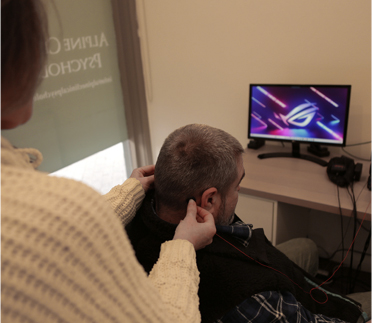
Neuromodulation/Neurotherapy refers to the combination of Neurotherapy, pEMF, Photomodulation and Neurostimulation techniques. The integration of stimulation technologies into brain training sessions typically results in faster and greater brain changes. The use of multiple modalities within sessions sets us apart from most clinics in Australia who mostly use Neurofeedback alone.
Neurostimulation encompasses pulsed electromagnetic field therapy (pEMF), transcranial direct current stimulation (tDCS), transcranial alternating current stimulation (tACS) and transcranial random noise stimulation (tRNS).
All of these modalities are offered at Alpine Neurofeedback. Where appropriate, Neurostimulation is incorporated to aid the client’s brain and treatment progress. Below is a quick youtube video explaining our therapy.
Pulsed Electromagnetic Field Therapy (pEMF)
Pulsed electromagnetic field (pEMF) therapy, is a combination of frequency, intensity, and time duration used to alter cellular function and restore the cells to normal rhythms. Modulation of cellular function via the electromagnetic field has been reported to improve overall cell to cell interactions and microvascular circulation of targeted organs to reduce inflammation and pain. pEMF devices have been clinically studied in other patient subgroups with successful demonstration of symptom resolution. For example, randomized, controlled trials have shown that pEMF device therapy resulted in improved mobility, pain scores, and energy level in fibromyalgia and chronic musculoskeletal pain patients. Another randomized, controlled trial has shown that pEMF therapy resulted in significantly improved scores on validated pain assessment questionnaires and a reduction in disability in patients with chronic lower back pain. pEMF is also used for brainwave entrainment and coherence.
Transcranial Direct Current Stimulation (TDCS)
tDCS is a form of safe, non-invasive electrical stimulation that is used to treat a range of conditions. Direct current passes a low-level, one-way current through the brain using a positive and negative electrode on the scalp. tDCS increases activity under the surface of the electrode to encourage neuroplasticity, which makes the brain more receptive to the benefits of Neurofeedback and encourages the brain to learn and change.
Transcranial Alternating Current Stimulation (TACS)
tACS is another form of electrical stimulation that passes a frequency back and forth (alternating) between electrodes placed on the scalp. Frequencies are used in nuanced ways and individually tailored based on the client’s qEEG, indicating areas of the brain, and frequencies, that are overactive or underactive.
Transcranial Advanced Pink Noise Stimulation (tAPNS)
tAPNS does not apply a steady current but instead delivers randomised frequencies to increase neuroplasticity and reduce stuck or rigid patterns in the brain. tAPNS has been shown to aid in the treatment of tinnitus and developmental difficulties.
Multiple scientific studies have shown no serious adverse side effects associated with pEMF, tDCS, tACS and tAPNS.
For more information about Neuromodulation and our equipment, please contact our practice.
Neuromodulation is a Neurotherapy-based treatment approach that uses targeted stimulation technologies to help regulate brain activity and support healthier neurological function.
Depending on the individual’s needs, NCAU may use a combination of pEMF, tDCS, tACS and tAPNS as part of a broader Neurotherapy treatment plan.
Neuromodulation is used to support neuroplasticity, which helps the brain become more responsive to Neurotherapy and brain training. This can help treatment become more targeted and effective over time.
Yes. NCAU uses non-invasive Neuromodulation techniques designed to support brain function without surgery or invasive procedures.
Not usually. At NCAU, Neuromodulation is typically used as part of a broader Neurotherapy program, alongside assessment, brain mapping, and other tailored treatment methods.
The best first step is to contact NCAU for an assessment or consultation. This helps determine whether Neuromodulation should be included in your Neurotherapy treatment plan.